


Paládio do nanopowder do nanopowder de CAS 7440-05-3 Pd como o catalizador
Tamanho: 20-30nm Pureza: 99,95% Nr. CAS: 7440-05-3 ENINEC No.: 231-115-6 Aparência: pó preto Forma: esférica

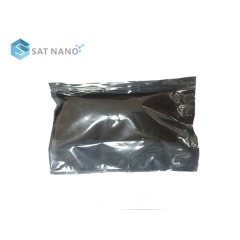
Tamanho: 20-30nm Pureza: 99,95% Nr. CAS: 7440-05-3 ENINEC No.: 231-115-6 Aparência: pó preto Forma: esférica
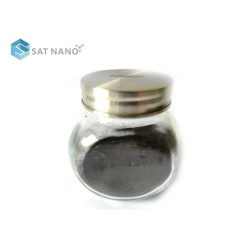
Nós podemos fornecer produtos de tamanho diferente de siliceto de nióbio em pó de acordo com as necessidades do cliente. Tamanho: 1-3um; Pureza: 99,5%; Forma: granular Nº CAS: 12034-80-9; Nº ENINEC: 234-812-3
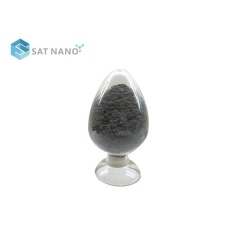
Partícula de Ni2Si, pureza de 99,5%, forma granular, é usado para circuito integrado microeletrônica, filme de siliceto de níquel, etc. Tamanho: 1-10um; Nº CAS: 12059-14-2; Nº ENINEC: 235-033-1
Definição e normas: Durante esse período, os três componentes principais da pasta condutora — a fase condutora que proporciona condutividade (como pó de prata e ouro), a fase de ligação que serve como adesivo (geralmente pó de vidro) e o suporte orgânico que determina o desempenho do processamento — foram estabelecidos e ainda são utilizados atualmente.
2. Período de Desenvolvimento e Transferência (décadas de 1970 a 1990)
Com a explosão do mercado de eletrônicos de consumo, houve uma mudança significativa no centro tecnológico e no panorama industrial das pastas condutoras.
Ascensão do Japão: Na década de 1980, o Japão rapidamente alcançou os Estados Unidos na tecnologia de celulose, graças à sua forte presença no setor de eletrônicos de consumo, tornando-se a única potência produtora de celulose capaz de competir com os Estados Unidos. A Sumitomo Metal Mining, a Akira Chemical, a Tanaka Precious Metals e outras empresas continuam sendo gigantes na indústria global de polpa até hoje.
A China entrou nesse campo relativamente tarde, no final da década de 1980, representada pelo Instituto de Pesquisa de Metais Preciosos de Kunming e pela Fábrica 4310. Os primeiros produtos focavam principalmente em pastas condutoras com barreiras técnicas relativamente baixas e ampla aplicação, como pasta de prata e pasta de alumínio-prata.
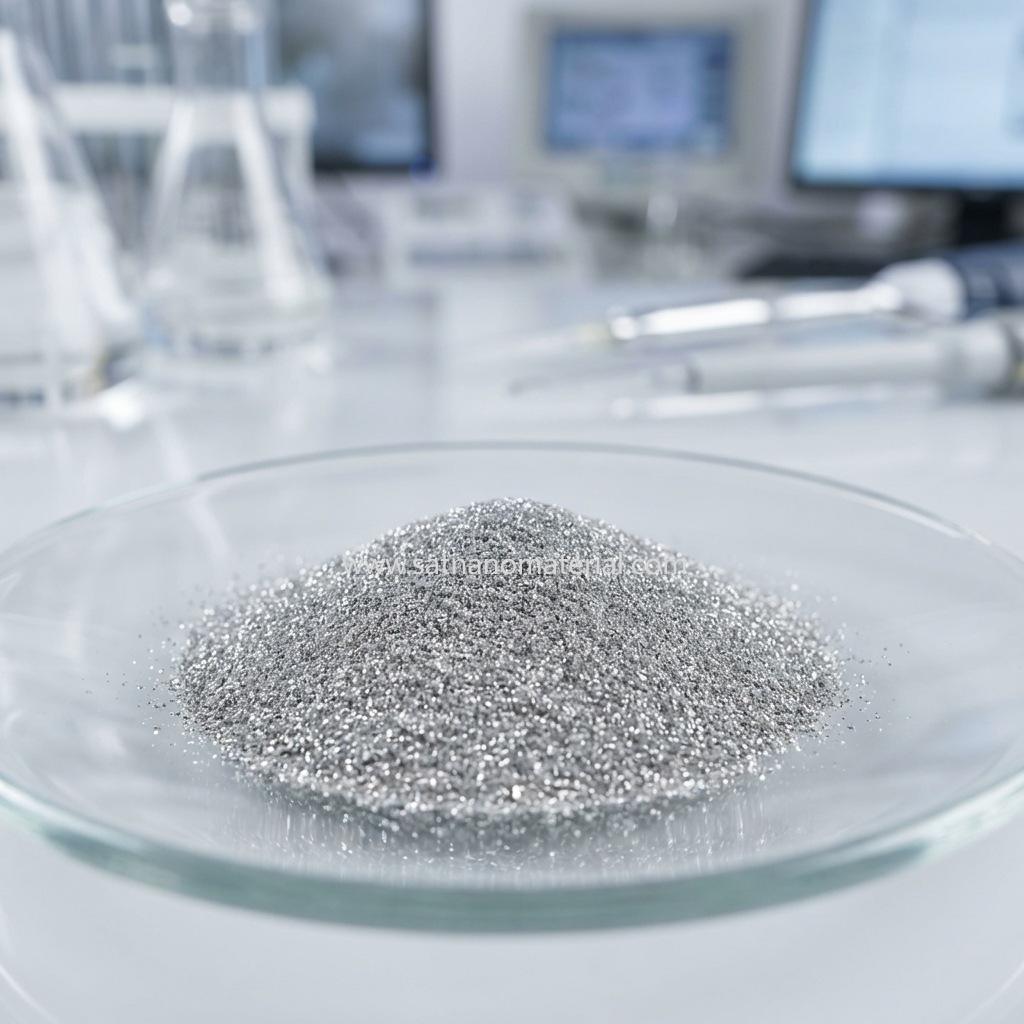
Atualização tecnológica: Na década de 1990, para atender à demanda por maior densidade e menor largura de linha em circuitos integrados, a tecnologia de suspensão começou a se desenvolver em direção à preparação de pós em nanoescala, reduzindo o tamanho das partículas condutoras para obter circuitos mais finos e densos.
3. Período de Diversificação e Inovação (do século XXI até o presente)
Com a entrada no século XXI, a redução de custos e a proteção ambiental tornaram-se as principais forças motrizes da inovação tecnológica, e a tecnologia da celulose apresentou um padrão diversificado de desenvolvimento.
Substituição de metais básicos: O alto custo dos metais preciosos, especialmente a prata, impulsionou o desenvolvimento de pastas de metais básicos, como a pasta de cobre e a pasta de cobre revestida com prata. Principalmente no setor fotovoltaico, a busca por reduzir o custo da eletricidade por quilowatt-hora é uma tendência clara, com o objetivo de diminuir o teor de prata ou mesmo eliminar a prata. Por exemplo, a pasta de cobre revestida com prata tornou-se a principal escolha para baterias de heterojunção (HJT), com uma participação de mercado de 75%, e o teor de prata em alguns produtos pode ser reduzido para 6% a 8%.
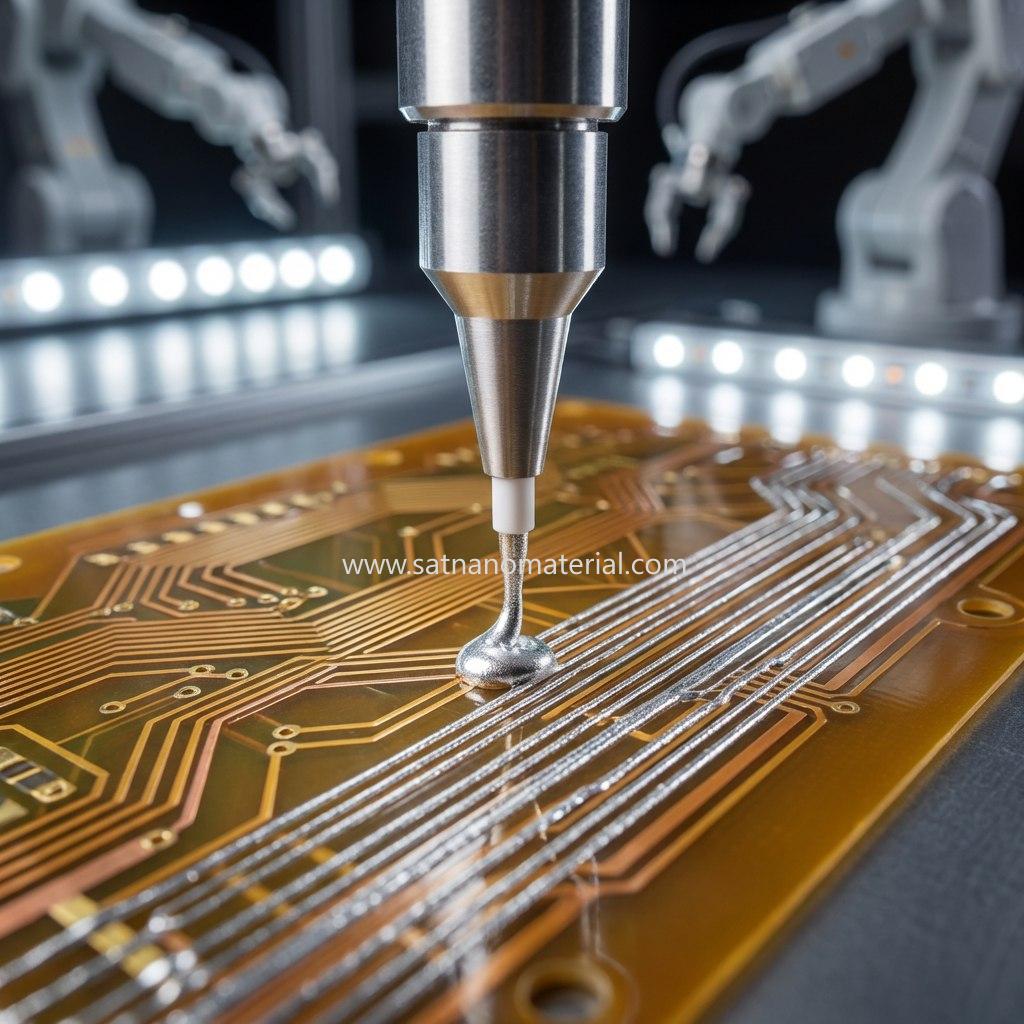
Proteção ambiental: A polpa tradicional utiliza solventes orgânicos, que representam riscos ambientais e para a saúde. A substituição de veículos orgânicos por veículos à base de água para a produção de "suspensões aquosas" tornou-se uma importante linha de pesquisa visando alcançar uma fabricação verde e ecologicamente correta.
Exploração de novos materiais: Além dos metais, os pesquisadores também estão explorando ativamente materiais compósitos de materiais à base de carbono, como o grafeno, e metais, utilizando sua excelente condutividade elétrica e térmica para melhorar ainda mais o desempenho das pastas.
A história do desenvolvimento da pasta condutora é também uma história de substituição de materiais. Desde a prata e o ouro puros, dispendiosos nos primórdios, até o uso generalizado de materiais como cobre e carbono atualmente, a principal motivação é a busca constante por custos mais baixos e maior eficiência, sem comprometer o desempenho. Isso também explica por que mesmo a pasta de cobre, com desempenho ligeiramente inferior, é tão procurada em aplicações de grande escala, como a fotovoltaica, devido à sua enorme vantagem de custo.
A SAT NANO é uma das melhores fornecedoras de
pó de prata
Pó de ouro, pó de nanotubos de carbono na China. Se tiver alguma dúvida, entre em contato conosco pelo e-mail admin@satnano.com.


 serviço on-line
 13929258449
 admin@satnano.com
 + 8613929258449