


Paládio do nanopowder do nanopowder de CAS 7440-05-3 Pd como o catalizador
Tamanho: 20-30nm Pureza: 99,95% Nr. CAS: 7440-05-3 ENINEC No.: 231-115-6 Aparência: pó preto Forma: esférica

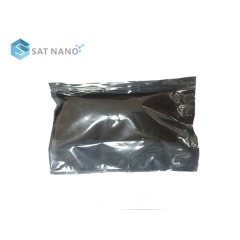
Tamanho: 20-30nm Pureza: 99,95% Nr. CAS: 7440-05-3 ENINEC No.: 231-115-6 Aparência: pó preto Forma: esférica
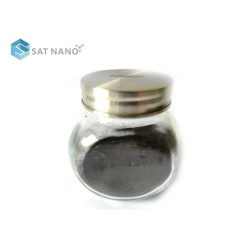
Nós podemos fornecer produtos de tamanho diferente de siliceto de nióbio em pó de acordo com as necessidades do cliente. Tamanho: 1-3um; Pureza: 99,5%; Forma: granular Nº CAS: 12034-80-9; Nº ENINEC: 234-812-3
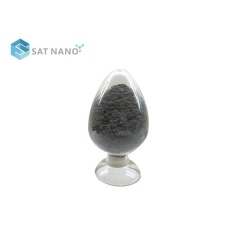
Partícula de Ni2Si, pureza de 99,5%, forma granular, é usado para circuito integrado microeletrônica, filme de siliceto de níquel, etc. Tamanho: 1-10um; Nº CAS: 12059-14-2; Nº ENINEC: 235-033-1
Diversos utensílios domésticos feitos de prata estão entre os dispositivos antibacterianos mais antigos utilizados pela humanidade. Estudos arqueológicos demonstraram que a China já utilizava prata como utensílio para beber desde a Dinastia Xia, enquanto os antigos gregos usavam tigelas de prata para armazenar água potável e os antigos romanos utilizavam recipientes de prata para conservar vinho. Todos esses usos se devem às propriedades antibacterianas naturais da prata.
Pesquisas médicas modernas demonstraram que a prata pode exercer efeitos antibacterianos por meio da ação sinérgica dos íons de prata e da nanoprata. Os íons de prata podem se ligar às membranas celulares bacterianas, aumentando a permeabilidade e induzindo a morte das bactérias; a ligação a grupos ativos, como tióis e grupos amino, em enzimas metabólicas bacterianas leva à perda da atividade enzimática e interfere no metabolismo energético bacteriano; a prata também pode se ligar ao DNA/RNA das bactérias, impedindo a replicação e a transcrição gênica, interrompendo a capacidade reprodutiva bacteriana e exercendo efeitos antibacterianos e bactericidas. A nanoprata tem maior probabilidade de penetrar na membrana celular dos patógenos e exercer um efeito antibacteriano mais duradouro em concentrações extremamente baixas. Sob a influência de um campo elétrico, substâncias que contêm prata podem liberar mais íons de prata, aumentando a eficácia antibacteriana local.
Além de sua poderosa função antibacteriana, a prata também promove o reparo e a regeneração das células dos tecidos, acelerando a cicatrização de feridas. Portanto, é comumente utilizada em terapia antibacteriana como medicamento ou curativo tópico para a prevenção e o tratamento de lesões e infecções de pele. Em 1884, o obstetra alemão Karl Krede utilizou uma solução de nitrato de prata para a desinfecção ocular neonatal, prevenindo com sucesso a conjuntivite gonocócica neonatal, marcando a entrada oficial de medicamentos contendo prata no sistema moderno de aplicação médica.
A prata é um componente essencial para o controle de infecções em feridas e para promover sua cicatrização. Em 1968, o sulfametoxazol de prata, que combina os efeitos antibacterianos de sulfonamidas e íons de prata, foi utilizado na prevenção e no tratamento de infecções em queimaduras, com efeitos significativos sobre bactérias patogênicas comuns, como a Pseudomonas aeruginosa. A aplicação desse medicamento representou um marco na cirurgia de queimaduras, salvando a vida de muitos pacientes. Diversos medicamentos contendo prata têm importante aplicação no tratamento anti-infeccioso local. A solução de nitrato de prata pode ser utilizada no tratamento local de úlceras mucosas, fissuras anais e outras doenças, aproveitando seus efeitos adstringentes e antibacterianos para promover a cicatrização. Em dermatologia, cremes contendo prata exercem efeitos terapêuticos ao regular a microbiota da pele e inibir o crescimento de bactérias patogênicas, podendo ser utilizados no tratamento de doenças de pele como acne, eczema e infecções secundárias. Alternativamente aos antibióticos, os medicamentos contendo prata podem inibir significativamente a formação de resistência bacteriana.
Com o desenvolvimento da ciência dos materiais, novos tipos de curativos contendo prata continuam a surgir. Nitrato de prata, nanopartículas de prata e outros substratos são incorporados em gaze médica, hidrogel, alginato e outros materiais para obter uma integração multifuncional com propriedades antibacterianas, hidratantes, de absorção de exsudato e outras, que podem prevenir infecções bacterianas, acelerar a remoção do tecido necrótico, promover a cicatrização e reduzir a hiperplasia e a formação de cicatrizes. Em especial, os nanomateriais de prata apresentam propriedades antibacterianas mais fortes e duradouras, além da capacidade de induzir a produção de espécies reativas de oxigênio e potencializar a ação antibacteriana, tornando-os um material antibacteriano notável e uma importante matéria-prima para curativos médicos e vestuário antibacteriano de uso diário.
A prata possui fortes propriedades antibacterianas e boa biocompatibilidade, além de ser atóxica e inofensiva para o corpo humano. Portanto, é frequentemente utilizada na fabricação de revestimentos para diversos dispositivos médicos que entram em contato com o corpo humano, reduzindo assim o risco de infecções iatrogênicas. Por exemplo, cateteres de demora com liga de prata podem reduzir a incidência de infecções do trato urinário de 28% para 2% em comparação com materiais convencionais, e a aplicação de revestimento de prata na superfície de cânulas de intubação traqueal pode reduzir a incidência de pneumonia associada à ventilação mecânica. Além disso, o revestimento de prata é amplamente utilizado em suturas cirúrgicas, próteses cardiovasculares, cimento ósseo, obturações dentárias e outros instrumentos. O revestimento de prata cria uma barreira antibacteriana na interface entre o corpo humano e os dispositivos médicos, liberando continuamente baixas concentrações de íons de prata, reduzindo a ocorrência de complicações relacionadas à infecção.


 serviço on-line
 13929258449
 admin@satnano.com
 + 8613929258449