


Paládio do nanopowder do nanopowder de CAS 7440-05-3 Pd como o catalizador
Tamanho: 20-30nm Pureza: 99,95% Nr. CAS: 7440-05-3 ENINEC No.: 231-115-6 Aparência: pó preto Forma: esférica

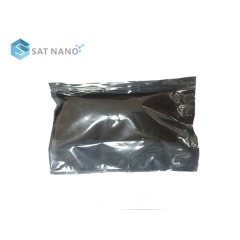
Tamanho: 20-30nm Pureza: 99,95% Nr. CAS: 7440-05-3 ENINEC No.: 231-115-6 Aparência: pó preto Forma: esférica
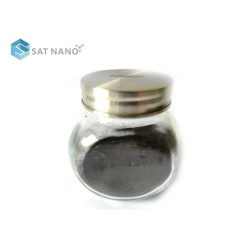
Nós podemos fornecer produtos de tamanho diferente de siliceto de nióbio em pó de acordo com as necessidades do cliente. Tamanho: 1-3um; Pureza: 99,5%; Forma: granular Nº CAS: 12034-80-9; Nº ENINEC: 234-812-3
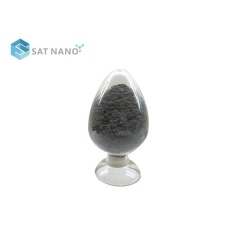
Partícula de Ni2Si, pureza de 99,5%, forma granular, é usado para circuito integrado microeletrônica, filme de siliceto de níquel, etc. Tamanho: 1-10um; Nº CAS: 12059-14-2; Nº ENINEC: 235-033-1
Agora, essa situação está mudando. Com o crescimento contínuo da demanda por veículos de novas energias, aprimoramentos na tecnologia de baterias e materiais compósitos avançados, os nanotubos de carbono tornaram-se gradualmente um material fundamental em diversas cadeias industriais. De agentes condutores para baterias de lítio a materiais compósitos leves, passando por eletrônicos flexíveis e filmes condutores transparentes, os campos de aplicação dos nanotubos de carbono estão em constante expansão. De acordo com previsões de diversas instituições de pesquisa, o mercado global de nanotubos de carbono deverá manter um crescimento de dois dígitos na próxima década, com o tamanho do mercado continuando a se expandir e a indústria entrando em uma verdadeira fase de escala.
Visão geral rápida dos dados de condutividade do pó de nanotubos de carbono
|
tipo nanotubo de carbono
|
Condutividade/resistividade
|
|
Nanotubos de carbono de paredes múltiplas (diâmetro externo de 10 a 30 nm)
|
Condutividade > 100 S/cm
|
|
Nanotubos de carbono de paredes múltiplas (diâmetro externo de 5 a 15 nm)
|
Condutividade 8-10 S/cm
|
|
Nanotubos de carbono de parede simples (baixa pureza)
|
Condutividade 100 S/cm
|
|
Carga condutora de nanotubos de carbono (compósito com negro de fumo)
|
Resistividade volumétrica < 0,01 Ω· cm (convertida em condutividade > 100 S/cm)
|
1. Ponto de virada da industrialização: rápida expansão da capacidade de produção de nanotubos de carbono
Os nanotubos de carbono podem ser divididos em dois tipos com base em sua estrutura: nanotubos de carbono de parede simples e nanotubos de carbono de paredes múltiplas. Os nanotubos de carbono de parede simples são formados pelo enrolamento de uma única camada de grafeno, que possui propriedades elétricas superiores, mas é mais difícil e caro de produzir; os nanotubos de carbono de paredes múltiplas são compostos por estruturas de tubos coaxiais multicamadas. Embora seu desempenho seja ligeiramente inferior, eles são mais fáceis de produzir em larga escala e, portanto, atualmente possuem uma aplicação de mercado mais ampla.
Nos estágios iniciais, a produção de nanotubos de carbono dependia principalmente do método de descarga em arco e do método de evaporação a laser. Embora essas tecnologias permitissem a obtenção de materiais de alta qualidade, a produção era limitada e o custo elevado. Com o amadurecimento gradual da tecnologia de deposição química em vapor (CVD), a eficiência da produção de nanotubos de carbono melhorou significativamente, estabelecendo as bases para a industrialização.
Nos últimos anos, a capacidade global de produção de nanotubos de carbono tem continuado a expandir-se. Impulsionadas pela demanda por materiais para baterias, diversas empresas químicas e de materiais estão ampliando sua escala de produção. Por exemplo, a LG Chem, na Coreia do Sul, continua a aumentar sua capacidade de produção de nanotubos de carbono, tornando-os um componente importante de seus negócios de materiais para baterias. A linha de produção de CNT estabelecida pela empresa inicialmente atendia principalmente ao mercado de materiais condutores, mas com o desenvolvimento da indústria de veículos elétricos, os produtos relacionados passaram a integrar gradualmente a cadeia de suprimentos de baterias.
Ao mesmo tempo, empresas europeias e americanas também estão fortalecendo seus negócios com nanotubos de carbono. A empresa química francesa Arkema adquiriu a empresa belga de nanomateriais Nanocyl, obtendo tecnologia consolidada em nanotubos de carbono e uma ampla base de clientes, o que lhe permite oferecer soluções completas nas áreas de plásticos condutores e materiais compósitos.
No campo dos nanotubos de carbono de parede única, a OCSiAl conquistou uma vantagem tecnológica significativa. A tecnologia de produção industrial desenvolvida pela empresa permite a produção em larga escala de nanotubos de carbono de parede única de alta pureza e o estabelecimento de redes de fornecimento em diversas regiões do mundo. Devido às vantagens de desempenho dos nanotubos de carbono de parede única em redes condutoras de baterias, seus produtos estão gradualmente sendo incorporados ao sistema de materiais para baterias.
2. Demanda por materiais para baterias: o principal motor de crescimento da indústria de nanotubos de carbono.
O principal fator que impulsiona o crescimento do mercado de nanotubos de carbono atualmente vem da indústria de baterias de íon-lítio.
Em sistemas de baterias tradicionais, materiais como o negro de carbono são comumente usados como agentes condutores. No entanto, com a melhoria contínua da densidade de energia das baterias, as formulações de eletrodos tornaram-se mais complexas, e depender exclusivamente do negro de carbono já não é suficiente para atender às necessidades de alta potência e alta estabilidade de ciclo. Os nanotubos de carbono possuem uma relação de aspecto muito alta e podem formar uma rede condutora tridimensional em materiais de eletrodo, melhorando significativamente a eficiência da transferência de elétrons.
Essa característica confere aos nanotubos de carbono uma vantagem significativa em baterias de alta densidade energética. Especialmente em sistemas de materiais de eletrodo positivo com alto teor de níquel, a condutividade do eletrodo e a estabilidade estrutural tornam-se questões cruciais, e os nanotubos de carbono podem melhorar efetivamente os caminhos de condutividade do eletrodo e aumentar a vida útil do ciclo.
Além disso, os nanotubos de carbono também desempenham um papel importante em materiais de eletrodo negativo à base de silício. Os materiais de silício sofrem alterações volumétricas significativas durante os processos de carga e descarga, o que pode facilmente levar a danos na estrutura do eletrodo. Os nanotubos de carbono podem construir redes condutoras estáveis e aumentar a resistência estrutural, melhorando assim o desempenho de ciclagem dos ânodos de silício.
Com o rápido desenvolvimento da indústria de veículos de novas energias, a demanda por baterias de alta potência continua a crescer. Diversas empresas de materiais para baterias incorporaram agentes condutores de nanotubos de carbono em seus sistemas de produtos. Por exemplo, a solução de material condutor da Cabot Corporation combina nanotubos de carbono com negro de fumo tradicional para melhorar a condutividade e, ao mesmo tempo, controlar os custos.
No mercado chinês, a SAT NANO é uma das principais fornecedoras de agentes condutores de nanotubos de carbono, sendo seus produtos utilizados principalmente em pastas condutoras para baterias de lítio. Com a crescente demanda por baterias para veículos de novas energias, o mercado desses materiais também está em constante expansão.
3.
Materiais leves e compósitos: o segundo maior ponto de crescimento de aplicações
Além da indústria de baterias, os nanotubos de carbono também apresentam amplas perspectivas de mercado no campo dos materiais compósitos.
As indústrias aeroespacial, automotiva e de energia eólica buscam constantemente reduzir o peso dos materiais para diminuir o consumo de energia e melhorar o desempenho estrutural. Os nanotubos de carbono podem melhorar significativamente a resistência e a condutividade de materiais poliméricos e, portanto, são amplamente utilizados para aprimorar compósitos de resina, plástico e fibra.
Na área aeroespacial, materiais compósitos reforçados com nanotubos de carbono podem ser utilizados em aplicações como componentes estruturais, materiais de blindagem eletromagnética e revestimentos condutores. Comparados aos materiais tradicionais, esses materiais compósitos podem reduzir o peso, mantendo alta resistência, além de apresentarem melhor condutividade e propriedades antiestáticas.
A indústria automotiva também é um importante mercado de aplicação. Com o desenvolvimento de veículos de novas energias, a demanda por veículos leves e com blindagem eletromagnética está em constante crescimento. Plásticos reforçados com nanotubos de carbono podem ser usados em invólucros de baterias, invólucros de componentes eletrônicos e componentes estruturais de veículos para melhorar o desempenho estrutural e reduzir o peso.
A Nanocyl, subsidiária da Arkema, desenvolveu uma série de masterbatches de nanotubos de carbono que podem ser usados para aprimorar materiais poliméricos. Esses materiais têm sido aplicados em automóveis e dispositivos eletrônicos, oferecendo novas soluções para a indústria de materiais compósitos, melhorando a condutividade e as propriedades mecânicas.
Com a expansão contínua da indústria de materiais compósitos, espera-se que os materiais reforçados com nanotubos de carbono se tornem um componente importante de materiais estruturais avançados no futuro.
4. Eletrônica flexível e materiais condutores transparentes: novos mercados potenciais
No campo dos materiais eletrônicos, os nanotubos de carbono também são considerados importantes candidatos para a próxima geração de materiais condutores transparentes.
Os materiais condutores transparentes tradicionais dependem principalmente do óxido de índio e estanho (ITO). No entanto, os materiais de ITO apresentam problemas como alta fragilidade, alto custo e dependência de recursos, o que limita sua aplicação em dispositivos eletrônicos flexíveis.
A estrutura da rede de nanotubos de carbono possui boa flexibilidade e condutividade, podendo alcançar condutividade estável e, ao mesmo tempo, manter alta transparência. Isso a torna um material promissor para telas flexíveis, dispositivos vestíveis e telas sensíveis ao toque.
Com o rápido desenvolvimento dos mercados de telas flexíveis e dispositivos vestíveis, a pesquisa e a aplicação de filmes condutores transparentes de nanotubos de carbono estão aumentando gradualmente. Estudos têm demonstrado que as redes condutoras transparentes de nanotubos de carbono podem manter a condutividade estável sob condições de flexão, tornando-as adequadas para dispositivos eletrônicos flexíveis.
As empresas japonesas do setor de materiais também mantêm uma forte capacidade tecnológica nessa área. Por exemplo, a Showa Denko (agora Resonic Holdings) continua a investir em pesquisa e desenvolvimento na área de nanomateriais de carbono, aplicando-os em materiais eletrônicos e de baterias. A Toray Corporation possui vasta experiência técnica em materiais de alto desempenho e também está investindo na área de nanomateriais.
Na próxima década, com o avanço contínuo da tecnologia de produção e a expansão dos cenários de aplicação, espera-se que o mercado de nanotubos de carbono continue a crescer. De materiais condutores para baterias a materiais compósitos leves, e posteriormente a eletrônicos flexíveis e manufatura avançada, os nanotubos de carbono estão construindo um sistema industrial que abrange energia, eletrônica e materiais estruturais.
SAT NANO
Somos um excelente fornecedor de pó de nanotubos de carbono e podemos fornecer materiais de alta qualidade com diferentes tamanhos de partículas. Caso tenha alguma dúvida, entre em contato conosco.
admin@satnano.com


 serviço on-line
 13929258449
 admin@satnano.com
 + 8613929258449